


|
The Most autoimmune diseases have very strong genetic basis altering the function of immune cells and giving rise to chronic autoimmune inflammation. Transgenic mouse model is a powerful system to understand the mechanism of autoimmune diseases. In this model, the gene of interest is integrated into the genome of the developing mouse by genetic engineering techniques. This transgene can later express itself and change the normal phenotype of the mouse. It can also be passed down to future generations, which makes it very suitable to study. My study is about a genetic mutation coding RIG-I, a member of group of proteins named RIGI-Like receptors family (retinoic acid-inducible gene-I -like receptors, RLR). In normal conditions, these proteins are inactive, but upon viral infection, these proteins become active and work as sensors inside immune cells, i.e., they are responsible for the recognition of viral nucleic acids, so that cells can counteract the infection through downstream signaling and activation of transcription of type-1 interferon and many anti-inflammatory proteins (cytokines). However, some genetic mutations render RLRs to be constitutively active (without viral infections), which results in profound secretion of type-1 interferon, resulting in a chronic inflammatory state and causing autoimmune diseases. My PhD study will enhance our understanding of the pathobiology of autoimmune diseases, and will greatly assist in identifying therapeutic targets that may also be of relevance to other human autoimmune diseases.
Best Regards; Dr. Ahmad Abu Tayeh |
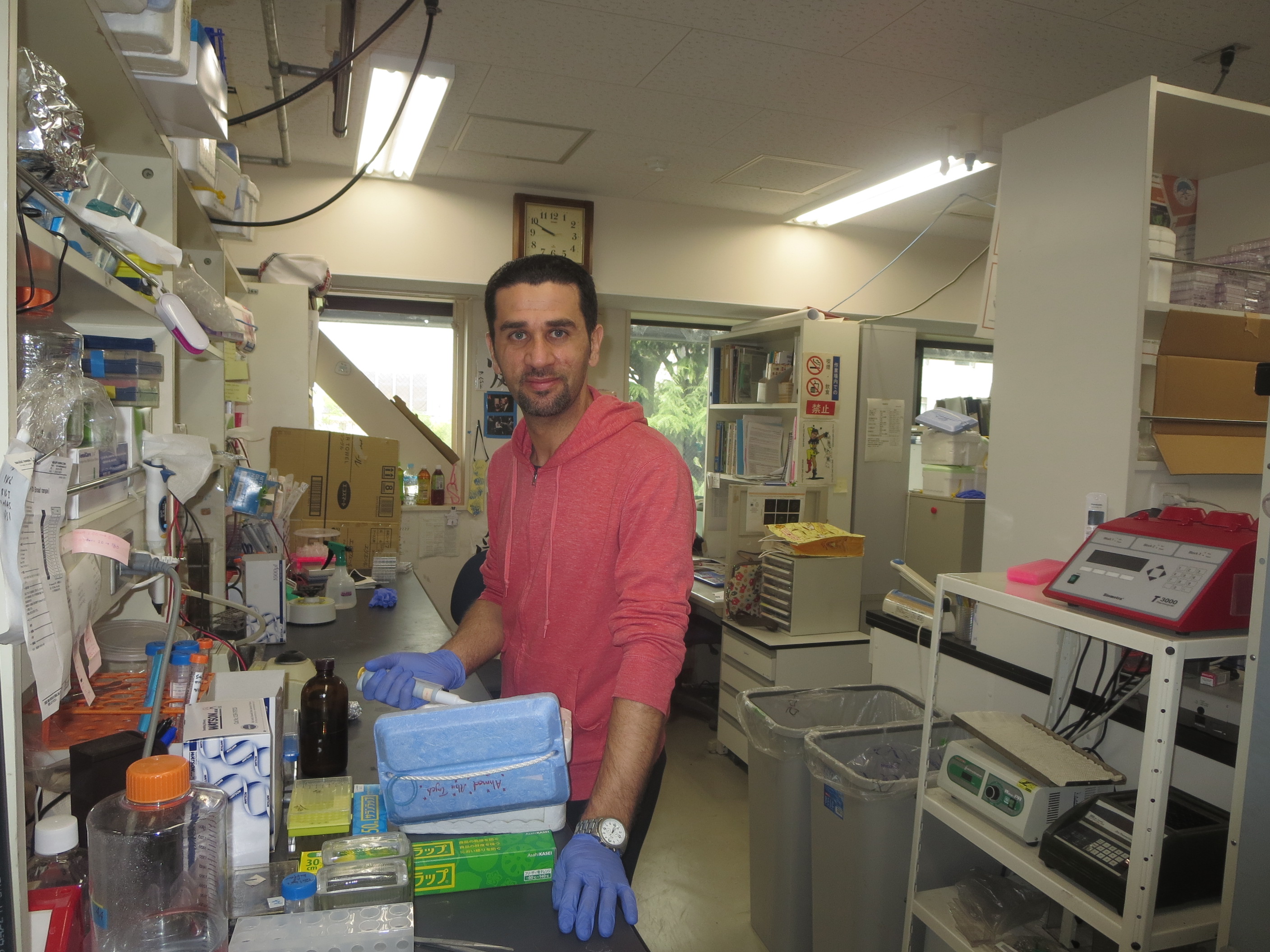 |
MET2000-Pal Pathobiology of Autoimmune Diseases, Partial PhD Physician Scholarship, Japan. April, 2018 – Dr. Ahmad Aby Tayeh.
